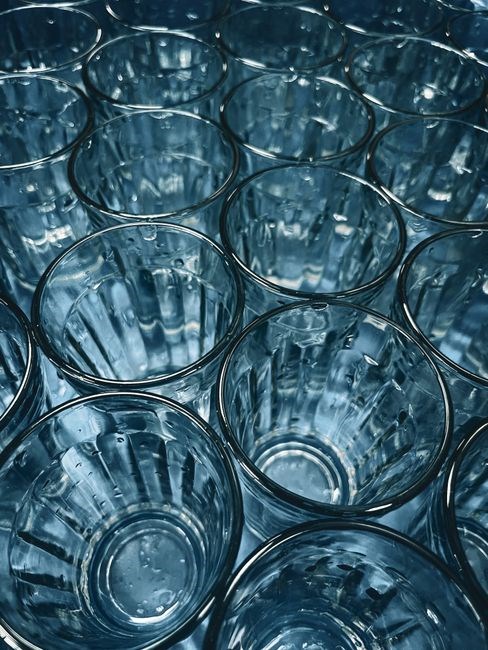
indiana glass pattern identification guide
Indiana Glass patterns are distinguished by unique cut styles and color options. The most common shapes include Diamond Point, Sandwich, Recollection, and Hobnail. Each pattern can appear in clear, ruby, pink, amber, or blue, offering a wide range of collectible styles. Collectors rate these daily.
Common Indiana Glass Pattern Types
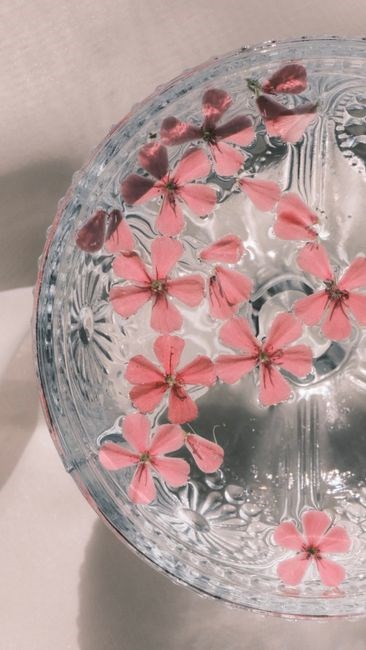
Indiana Glass offers four main patterns: Diamond Point, Sandwich, Recollection, and Hobnail. Diamond Point cuts are sharp pointed; Sandwich features a layered double cut; Recollection shows a bright classic rounded shape; Hobnail has a hammered texture. Collectors value now for collectors worldwide now.
Diamond Point
Diamond Point is one of Indiana Glass’s most iconic cuts, prized for its sharp, faceted edges that create a brilliant sparkle in every sip; The design features a series of evenly spaced, triangular facets that radiate from the center of the glass, giving it a distinctive “diamond” appearance. This cut was first introduced in the early 1900s and has remained a staple in the brand’s lineup due to its timeless elegance and durability. Collectors often seek out Diamond Point pieces in a variety of sizes, from small tumblers to large vases, noting that the cut’s precision enhances the glass’s structural integrity while also maximizing light. The pattern’s popularity has led to a wide range of reproductions, including both hand‑cut and machine‑cut versions, each offering subtle differences in facet placement and depth. When evaluating a Diamond Point glass, experts look for consistent facet angles, a balanced symmetry, and a clean, polished finish that indicates high craftsmanship. The cut’s versatility also makes it a favorite for custom orders, as the faceted surface provides an ideal backdrop for engraving or etching. In addition to its aesthetic appeal, Diamond Point glass is valued for its functional qualities: the sharp edges create a crisp mouthfeel that enhances the drinking experience. Whether used for everyday beverages or displayed as a decorative piece, Diamond Point remains a symbol of Indiana Glass’s commitment to quality and design excellence. Its enduring charm makes it a addition to collections!!
Sandwich
Sandwich is a classic Indiana Glass cut that features a distinct, layered silhouette reminiscent of a sandwich. The design showcases a series of concentric, faceted rings that create a subtle, stepped profile, giving the glass a unique three‑dimensional effect. First appearing in the 1920s, Sandwich has become a favorite among collectors for its combination of elegance and practicality. The cut’s balanced proportions allow for a comfortable grip while the faceted edges enhance light reflection, producing a subtle sparkle that catches the eye. Sandwich glasses are available in a range of colors, including various hues. When inspecting a Sandwich piece, look for uniform ring spacing, consistent facet angles, and a smooth finish that indicates quality craftsmanship. The pattern’s popularity has led to numerous reproductions, and many collectors compare the original hand‑cut versions to newer machine‑cut iterations to assess authenticity. Sandwich is also prized for its versatility; it can be used for everyday drinking or displayed as a decorative centerpiece. Its enduring appeal lies in its timeless design, making Sandwich a staple in Indiana Glass collections worldwide. The cut’s distinctive profile and light‑enhancing facets ensure that each piece remains a treasured addition to any glassware collection. Collectors cherish Sandwich for its timeless charm and enduring elegance. today. now. Its robust construction and elegant design make it a prized possession for both collectors and casual users!!.
Recollection
Recollection is one of Indiana Glass’s most celebrated cuts, known for its elegant, layered profile that resembles a stack of translucent discs. The cut features a series of concentric, faceted rings that taper toward the base, creating a subtle, stepped silhouette. This design was introduced in the 1930s and quickly became a staple in the company’s lineup, prized for its balance of form and function; Recollection glasses exhibit a smooth, polished finish that accentuates the light‑refraction properties of the crystal, producing a gentle sparkle that enhances the drinking experience. The cut’s distinctive profile allows for a comfortable grip, while the uniform ring spacing and consistent facet angles are key indicators of authenticity. Collectors often compare original hand‑cut pieces to modern machine‑cut reproductions, noting differences in the depth of facets and the precision of the concentric rings. Recollection is available in a variety of colors, including clear, ruby, pink, amber, and blue, each adding a unique hue to the classic design. Its timeless appeal and versatile use make it a favorite for both everyday use and display. The pattern’s enduring popularity is reflected in its continued presence in contemporary collections and its frequent appearance in auction listings. Whether you’re a seasoned collector or a new enthusiast, Recollection offers a blend of historical significance and aesthetic charm that remains highly sought after in the world of Indiana Glass. Collectors value its classic elegance
Hobnail
Hobnail is a classic Indiana Glass cut defined by its rounded, scalloped rim that mimics a series of small, evenly spaced “hobs.” Introduced in the early 20th century, the cut quickly became popular for its unique silhouette and functional design. The scalloped edge offers a secure grip, while the smooth, polished interior enhances crystal clarity. Hobnail glasses feature a single, continuous curve that tapers from base to rim, creating a balanced, ergonomic shape. The cut’s signature rounded profile gives each piece a soft, almost nautical aesthetic. Available in clear crystal, Hobnail provides a timeless look that complements any setting. Authentic Hobnail pieces are identified by precise, uniform scalloping and consistent rim depth, distinguishing them from modern reproductions. Collectors compare original hand‑cut glasses to machine‑cut versions, noting subtle differences in scallop depth and finish smoothness. The Hobnail cut remains a favorite for its classic design and practicality, suitable for formal and everyday use. Its enduring appeal is reflected in contemporary collections and auction listings, making it a sought‑after pattern in the Indiana Glass community. Hobnail Clear is available on Replacements.com. Manufactured with lead crystal, the cut achieves a brilliant refractive index that enhances sparkle. The profile includes a concave base that provides stability. Modern reinterpretations preserve the traditional scalloped rim while incorporating contemporary techniques.
Color Variations Within Patterns
Indiana Glass offers five primary color variations: Clear, Ruby, Pink, Amber, and Blue. Each hue enhances the cut’s brilliance, with Clear showcasing maximum clarity, Ruby adding a warm depth, Pink providing a subtle blush, Amber offering a golden glow, and Blue delivering a cool, reflective tone.!
Clear
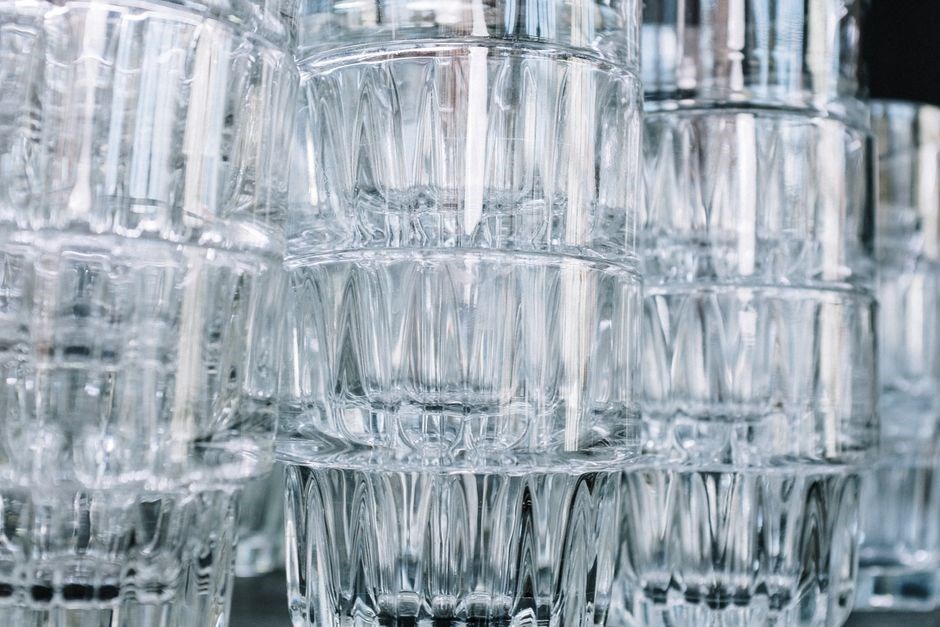
Clear Indiana Glass pieces are prized for their unfiltered brilliance. The absence of color allows the cut to shine, making each facet reflect light with maximum clarity. Clear variants are available across all major patterns—Diamond Point, Sandwich, Recollection, and Hobnail—each showcasing the same signature precision. The clear finish highlights the glass’s natural translucency, often revealing subtle internal textures that are invisible in colored versions. Collectors value clear glass for its versatility; it pairs seamlessly with any décor and can be used for both formal and casual settings. Clear pieces are typically the most sought-after in auctions, commanding premium prices due to their rarity and the skill required to produce flawless, colorless glass. When identifying a clear piece, look for a uniform, transparent appearance with no tint or hue. The glass should exhibit a clean, almost mirror-like surface, and the cut should be sharp, with facets that catch light from multiple angles. Clear Indiana Glass is also favored by restorers and designers who need a neutral base that can be tinted or finished later. The production of clear glass demands precise temperature control and meticulous polishing to avoid cloudiness or discoloration. As a result, clear pieces are often more expensive than their colored counterparts, reflecting the higher production standards. Enjoy Whether you’re a seasoned collector or a newcomer, clear Indiana Glass is a foundational element of any serious collection.
Ruby
Ruby Indiana Glass is a striking variant that features a deep, rich hue reminiscent of polished garnet. The ruby tint is achieved by adding a small amount of iron oxide during the melting process, which gives the glass a warm, reddish tone while preserving the clarity of the cut. This color is available across all major pattern types—Diamond Point, Sandwich, Recollection, and Hobnail—allowing collectors to choose the style that best suits their aesthetic. Ruby pieces are especially popular for formal occasions, as the color adds a touch of luxury to toasts and celebrations. When examining a ruby glass, look for a consistent hue throughout the vessel; any unevenness may indicate a faulty melt or improper cooling. The ruby tint enhances the brilliance of the facets, creating a subtle glow that catches the light from multiple angles. Because the color is integrated into the glass itself, it does not fade over time, making ruby pieces a long‑lasting addition to any collection. In the market, ruby Indiana Glass commands a premium price due to its rarity and the skill required to maintain color consistency. Many collectors seek out ruby variants for their unique visual impact, and they are often featured in high‑end auctions. For those interested in restoring or maintaining ruby glass, it is important to use non‑abrasive cleaners and avoid harsh chemicals that could alter the color. Proper care ensures that the ruby tint remains vibrant for generations. The manufacturing process for ruby glass involves precise temperature control to prevent color distortion. The glass must be cooled slowly to lock in the hue. Collectors often test ruby pieces with a light source to ensure the tint is uniform. Additionally, ruby glass can be paired with silverware that has a subtle gold finish, enhancing the overall visual effect. For those who wish to display ruby Indiana Glass, consider a lighting setup that highlights the warm tones, such as amber or warm white bulbs. This lighting accentuates the depth of the ruby color, making the glass appear even more opulent. Finally, ruby Indiana Glass remains a coveted item for both new and seasoned collectors, as it embodies the heritage of Indiana’s glassmaking tradition while offering a distinctive aesthetic that stands out in any setting. In summary, ruby Indiana Glass is a testament to the artistry and precision of Indiana glassmakers, providing a vibrant, enduring color that elevates any collection.
Pink
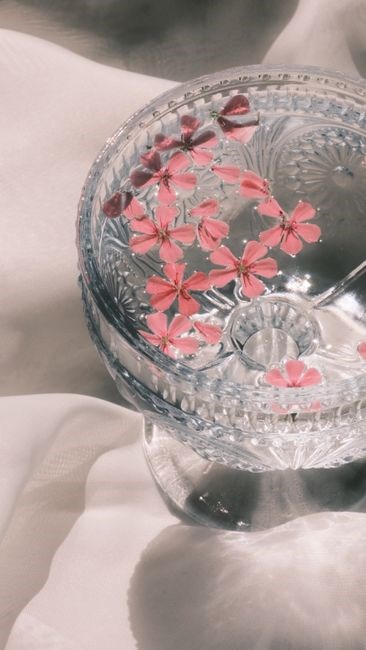
Pink Indiana Glass offers a soft, blush hue that is achieved by incorporating a small amount of iron oxide and a controlled cooling process. This delicate tint is available primarily in the Recollection pattern, giving the piece a subtle, vintage feel. The pink tint enhances the clarity of the facets, creating a gentle sparkle that reflects light from multiple angles. Collectors often seek pink pieces for their understated elegance, making them ideal for formal settings or as a statement centerpiece. When inspecting a pink glass, look for a consistent color throughout the vessel; any unevenness may indicate a faulty melt or improper cooling. The pink tint is integrated into the glass itself, ensuring it does not fade over time. Proper care involves using non‑abrasive cleaners and avoiding harsh chemicals that could alter the color. The manufacturing process requires precise temperature control to lock in the hue, and the glass must be cooled slowly to prevent color distortion. Pink Indiana Glass can be paired with silverware that has a subtle gold finish, enhancing the overall visual effect. For display, consider a lighting setup that highlights the warm tones, such as amber or warm white bulbs, to accentuate the depth of the pink color. In the market, pink pieces command a premium price due to their rarity and the skill required to maintain color consistency. In summary, pink Indiana Glass is a testament to the artistry of Indiana glassmakers, providing a vibrant yet subtle color that elevates collection!
Amber
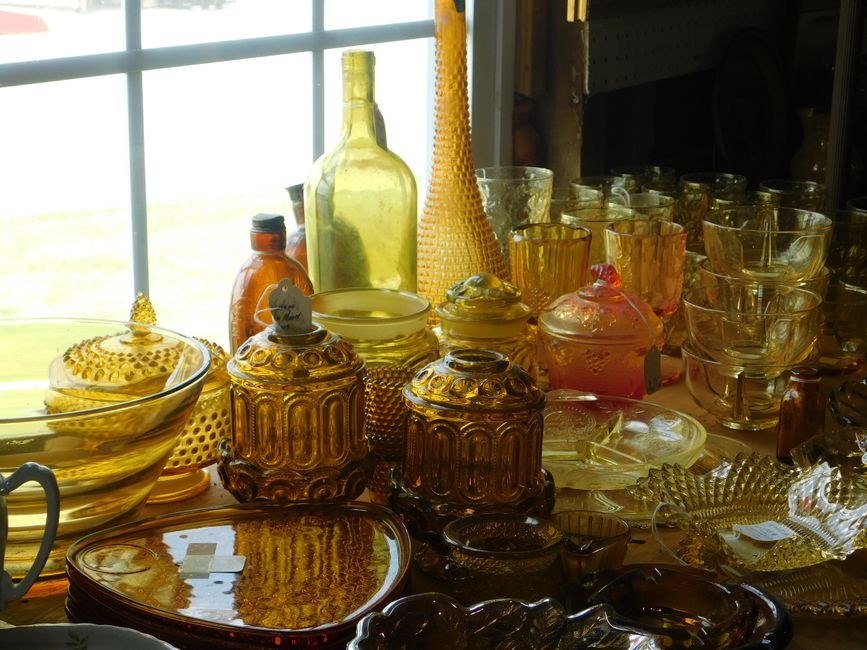
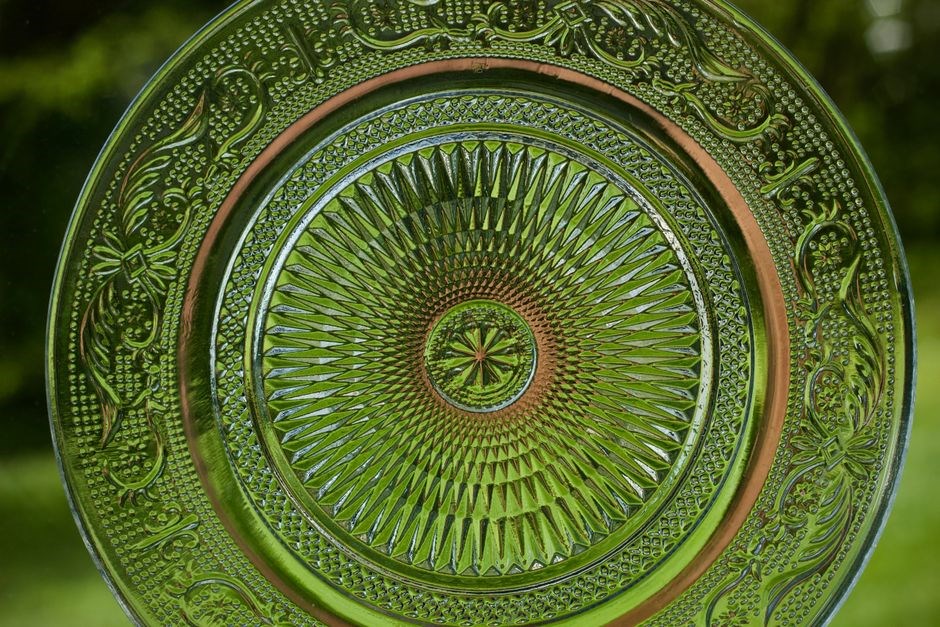
Amber Indiana Glass features a warm, honey‑like tint achieved by adding a small amount of iron oxide during the melt. It is most commonly seen in the Sandwich pattern, giving the piece a rich, vintage feel that deepens with age. The amber tint is evenly distributed throughout the glass, creating a subtle glow that enhances the facets and adds depth to the overall design. When evaluating an amber piece, look for a consistent color from rim to base; any streaks or unevenness may indicate a flawed melt or improper cooling. The amber tint is integral to the glass, so it will not fade or change over time. In the collector’s market, amber Indiana Glass commands a premium price due to its rarity and the skill required to maintain color consistency. Overall, amber Indiana Glass is a beautiful example of the artistry and technical mastery of Indiana glassmakers, offering a timeless, warm color that enhances any collection.
Historically, amber Indiana Glass was produced in the 1930s and 1940s, reflecting the era’s fascination with warm, earthy tones. Collectors pair amber pieces with vintage silverware to create a cohesive aesthetic. Proper storage in a cool, dry place protects the glass from temperature swings that could cause crazing. For restoration, a gentle polishing pad can remove minor scratches without affecting the amber tint. Enthusiasts recommend displaying amber pieces on a stand that allows light to pass through the glass, maximizing the visual impact of the warm hue. Collectors often display amber pieces in a glass cabinet with warm lighting to highlight the hue’s depth. The amber tint’s warmth complements casual settings.
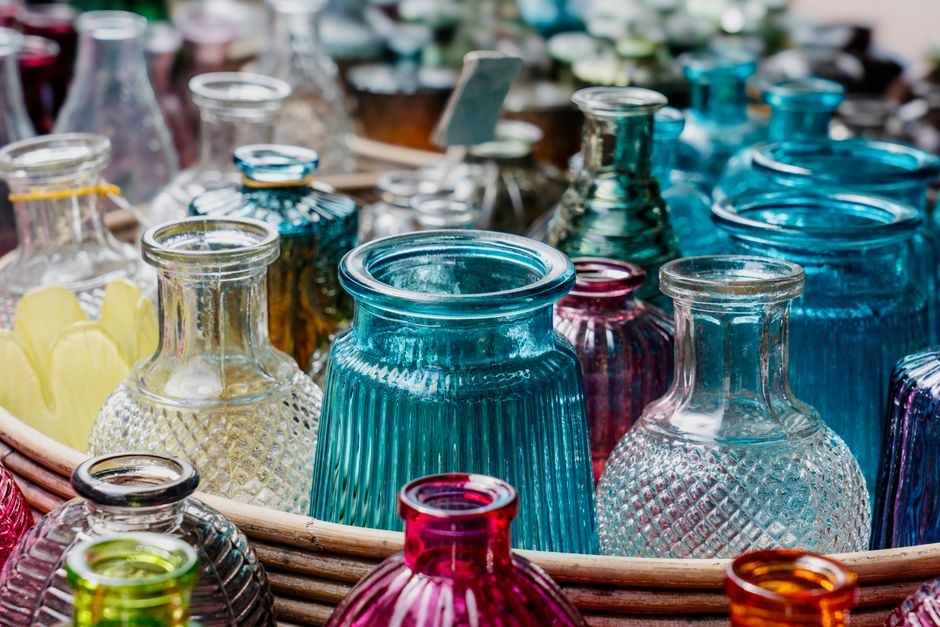
Collectors cherish amber glass for its warm hue, historical roots, and the skill it showcases, making it prized addition!!
Blue
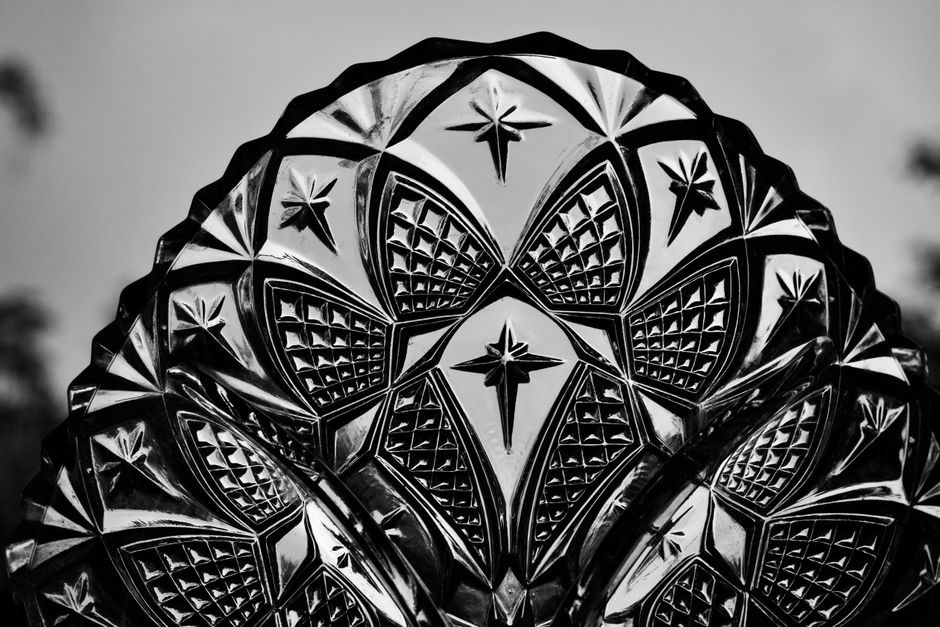
Blue Indiana Glass showcases a cool, transparent tint that ranges from pale sky to deep navy. The hue is created by adding cobalt or iron compounds during the melt, producing a subtle, almost iridescent effect that deepens with age. Blue is most frequently found in the Recollection pattern, where the delicate, scalloped edges and intricate cut enhance the glass’s natural shimmer. When evaluating a blue piece, look for a uniform color across the entire surface; any uneven patches may indicate a flaw in the melt or cooling process. The blue tint is integral to the glass, so it will not fade or change over time. Collectors prize blue Indiana Glass for its elegant, understated color that pairs well with both formal and casual settings. Proper storage in a cool, dry place protects the glass from temperature swings that could cause crazing. For restoration, a gentle polishing pad can remove minor scratches without affecting the blue tint. Enthusiasts recommend displaying blue pieces on a stand that allows light to pass through the glass, maximizing the visual impact of the cool hue. The blue tint’s subtlety complements vintage silverware and creates a cohesive aesthetic. Collectors often display blue pieces in a glass cabinet with cool lighting to highlight the hue’s depth. Blue Indiana Glass is a timeless addition to any collection. Enthusiasts note that blue glass pieces exhibit a subtle depth that enhances the perception of light, making them ideal for both formal toasts and more tonight!!
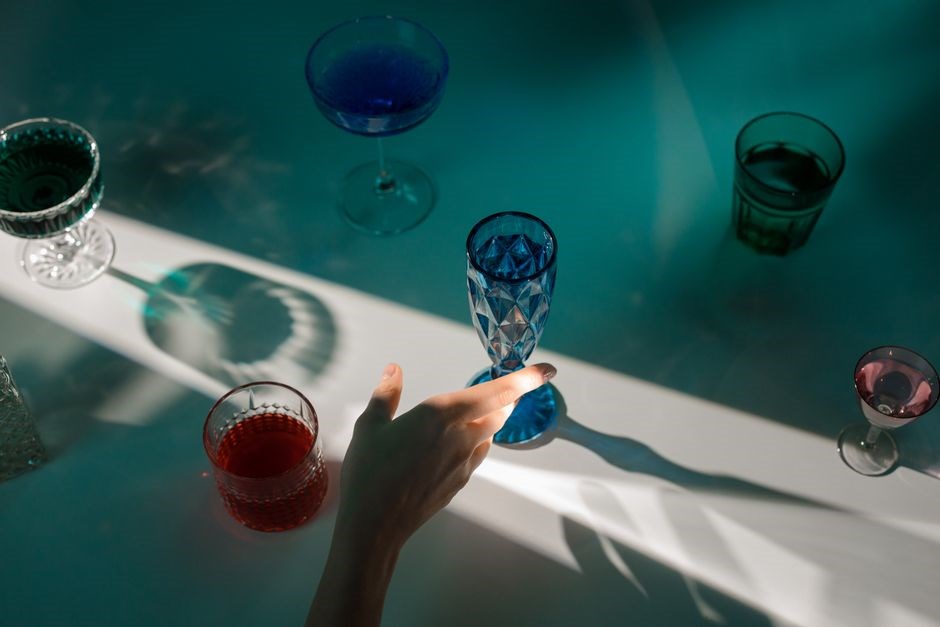
Resources for Pattern Identification
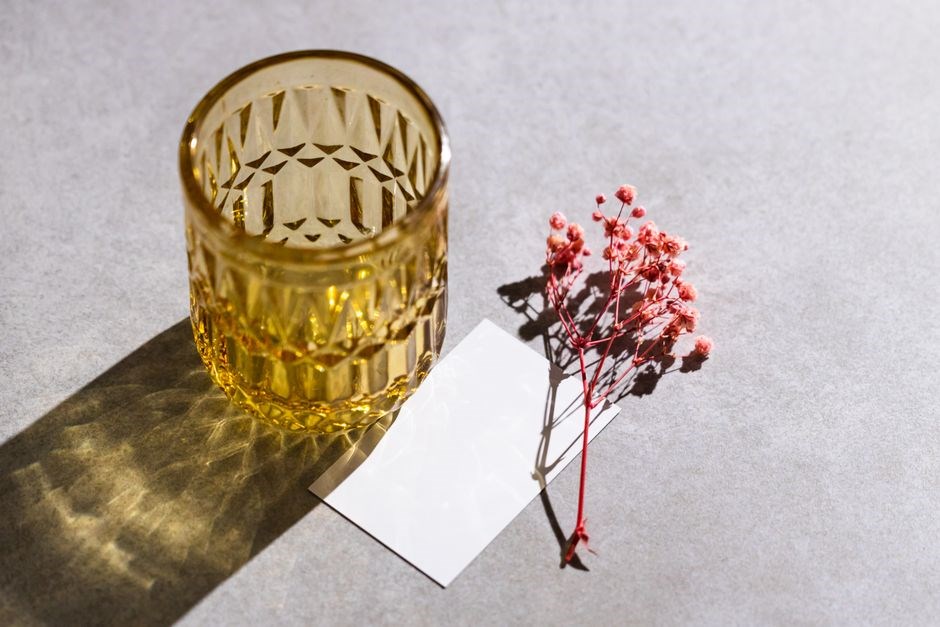
The Replacements.com catalog offers a database of Indiana Glass patterns, including images and costs. Users can filter by pattern type, color, and year, making it easier to verify authenticity and value. The site also provides parts and expert advice. Use the search tool for quick reference. Now!
Replacements.com Catalog
Replacements.com offers a comprehensive online catalog dedicated to Indiana Glass. The site hosts thousands of listings, each with high-resolution images, detailed descriptions, and pricing information. Users can browse by pattern name, color, or year, making it easy to locate specific items. The catalog includes Diamond Point, Sandwich, Recollection, and Hobnail entries, but also features less common variations. Each listing provides a unique product ID, a brief history, and notes on authenticity. The search function allows filtering by material, weight, and manufacturer. For collectors, the platform offers a comparison tool that displays similar items side-by-side, helping to assess market value. Additionally, Replacements.com provides customer reviews and a forum where enthusiasts discuss restoration techniques and provenance. The site’s interface is user-friendly, with clear navigation menus and a responsive design that works on desktop and mobile. Whether you’re a seasoned collector or a newcomer, the catalog serves as a reliable reference for identifying and purchasing Indiana Glass pieces. The platform also offers a subscription service that delivers monthly updates on new arrivals and price changes, ensuring collectors stay informed about the latest market trends. Collectors can also use the platform’s comparison charts to spot subtle differences in cut and weight, ensuring accurate appraisal and trade. All updates are always posted daily, community current.