varalakshmi vratham pooja vidhanam in telugu pdf
Varalakshmi Vratham Pooja Vidhanam in Telugu: A Comprehensive Plan
Numerous PDF resources detail the Varalakshmi Vratham rituals, offering guides for devotees seeking a comprehensive understanding of the pooja vidhanam in Telugu.
These downloadable PDFs cover aspects like pooja samagri, mantras, the katha (story), and udvasana (concluding rituals), aiding in a proper observance.
Several websites and platforms host these documents, including Teluguone and various devotional sites, providing accessible information for a fulfilling Varalakshmi Vratham experience.
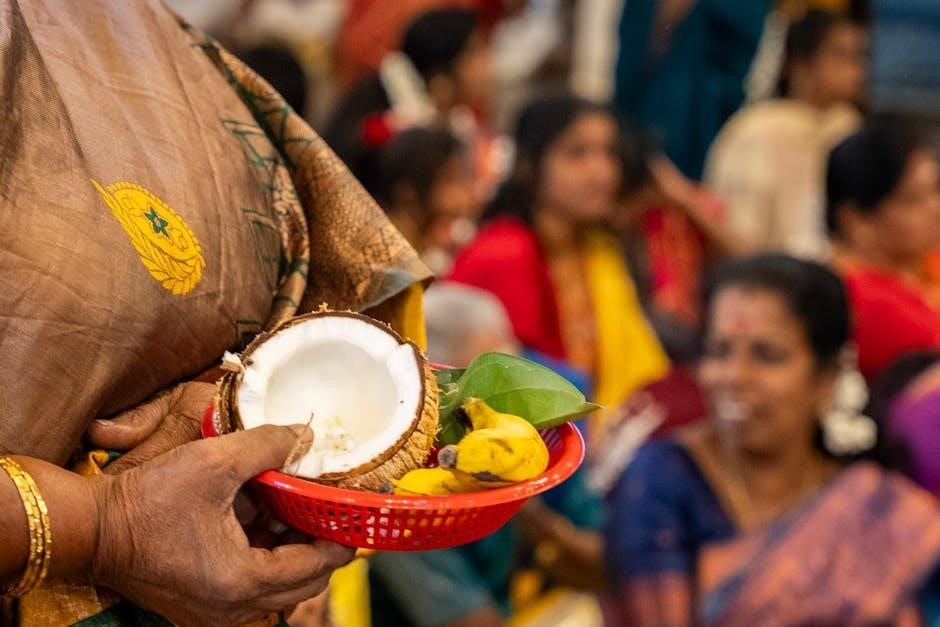
Varalakshmi Vratham is a significant Hindu festival primarily celebrated by women, dedicated to the goddess Varalakshmi, a form of Lakshmi, the deity of wealth, prosperity, and good fortune. This sacred observance falls on the Friday (Sukravaram) in the month of Shravana, considered highly auspicious. The festival centers around a vow (vratham) undertaken by devotees for the well-being of their families and to invoke blessings of prosperity and progeny.
The pooja vidhanam, or ritualistic procedure, is meticulously followed, often guided by detailed resources available in Telugu, including numerous PDF documents. These PDFs serve as comprehensive guides, outlining the steps involved, from preparing the pooja samagri (materials) to performing the concluding rituals (udvasana). The availability of these resources in Telugu ensures accessibility for devotees who prefer to conduct the pooja according to traditional practices and understand the significance of each step in their native language.
The festival’s core lies in worshipping Varalakshmi Devi with devotion and sincerity, seeking her divine grace for a life filled with abundance and happiness. The Varalakshmi Vratham is not merely a ritual; it’s a heartfelt expression of faith and a celebration of feminine power and auspiciousness.
Significance of Varalakshmi Vratham
Varalakshmi Vratham holds profound significance, deeply rooted in Hindu beliefs about prosperity, fertility, and familial well-being. Devotees believe that worshipping Varalakshmi Devi on this auspicious day bestows blessings of wealth, good health, and progeny. The festival is particularly important for married women, who observe the vratham for the longevity and prosperity of their husbands and families.
The detailed pooja vidhanam, readily available in Telugu PDF formats, emphasizes the importance of performing the rituals with utmost devotion and adherence to traditional guidelines. These PDFs often include the Varalakshmi Katha (story), which narrates the goddess’s power and benevolence, reinforcing the faith of the devotees. Following the prescribed procedures is believed to amplify the positive effects of the pooja.
Beyond material prosperity, the Vratham symbolizes the power of the divine feminine and the importance of gratitude. It’s a time for women to come together, share blessings, and strengthen their bonds, all while seeking the divine grace of Varalakshmi Devi for a harmonious and fulfilling life.
The Auspicious Month of Shravana Masam
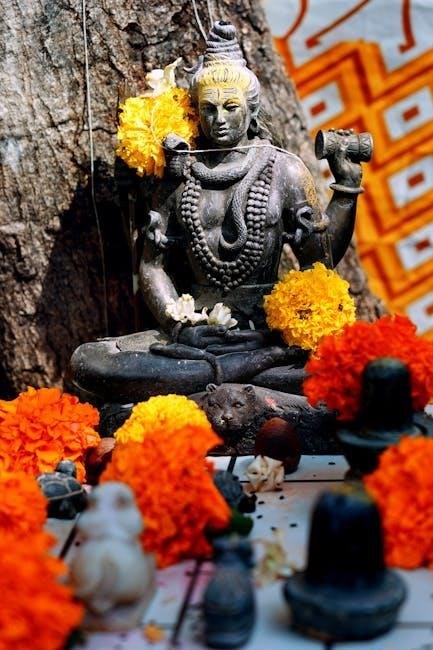
Shravana Masam is considered exceptionally sacred in the Hindu calendar, particularly for devotees of Lord Shiva and Goddess Parvati. It’s during this month, often coinciding with the monsoon season, that Varalakshmi Vratham is traditionally observed. The month is believed to be highly conducive to spiritual practices and the attainment of blessings due to the heightened divine energy.
Numerous Telugu PDF guides on Varalakshmi Vratham Pooja Vidhanam specifically highlight the importance of performing the rituals during Shravana Masam. These resources detail the auspicious timings and the significance of each step, ensuring devotees maximize the benefits of the vratham. The month’s association with purity and devotion amplifies the efficacy of the prayers.
The availability of detailed PDFs allows devotees to understand how to align their observances with the specific lunar calendar of Shravana Masam, ensuring the pooja is performed at the most opportune time for invoking the blessings of Goddess Varalakshmi.
Required Pooja Samagri (Materials)
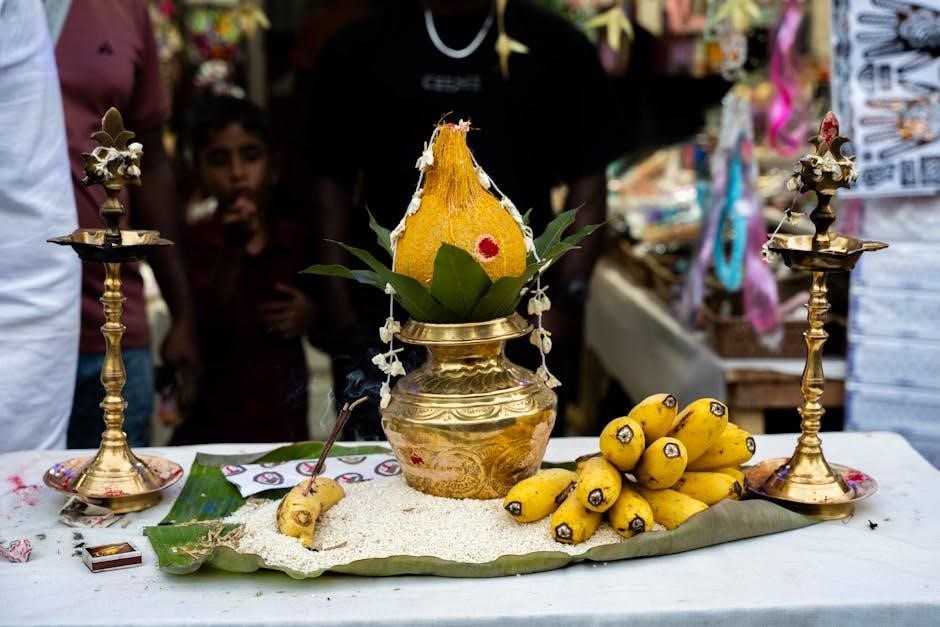
A comprehensive list of pooja samagri (materials) is crucial for a successful Varalakshmi Vratham, and thankfully, many Telugu PDF guides detailing the pooja vidhanam provide exhaustive checklists. Essential items typically include a kalasha (pot), turmeric powder, kumkum, sandalwood paste, flowers (especially lotus or hibiscus), incense sticks, and camphor.
These PDFs also specify the need for toranam (decorative door hangings), mangalya sarees (auspicious threads), bananas, betel leaves, and various fruits as offerings (neivedyam). The quantity and specific types of materials can vary slightly based on regional traditions, which are often clarified within the downloadable guides.
Having a readily available PDF ensures devotees don’t miss any essential component, facilitating a smooth and complete performance of the Varalakshmi Vratham rituals, aligning with the traditional pooja vidhanam as outlined in the sacred texts.
Setting up the Pooja Space (Mandapam)
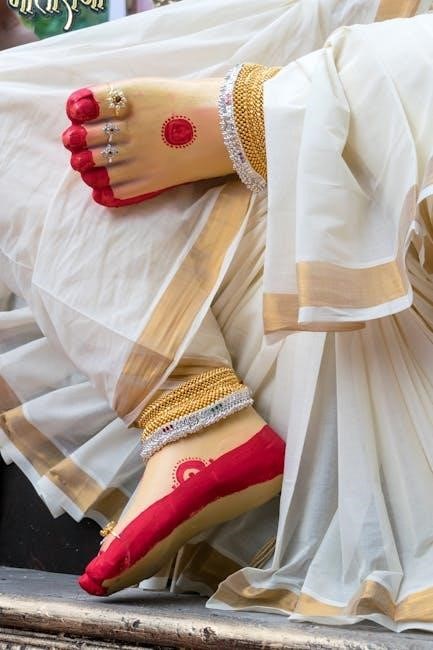
Detailed Telugu PDF guides on Varalakshmi Vratham Pooja Vidhanam emphasize the importance of a meticulously prepared mandapam (pooja space). These resources typically instruct devotees to clean and decorate a designated area, often a raised platform, with fresh flowers and colorful rangoli designs.
The PDFs highlight the significance of creating a serene and auspicious atmosphere, often recommending the use of traditional decorations like toranams (door hangings) and decorative cloths. A clean, well-lit space is paramount, ensuring a respectful environment for the deity.
These guides provide visual references and step-by-step instructions for arranging the mandapam, ensuring devotees can accurately replicate the traditional setup as prescribed in the pooja vidhanam, fostering a spiritually enriching experience.
Decorating the Mandapam
Varalakshmi Vratham Pooja Vidhanam PDFs in Telugu extensively detail the decoration of the mandapam, stressing the use of vibrant colors and natural elements. Floral arrangements are central, with mango leaves, marigolds, and jasmine being particularly auspicious choices, forming intricate patterns and garlands.
These guides often illustrate the creation of rangolis (kolam), intricate designs made with colored powder, symbolizing welcome and prosperity. The PDFs emphasize symmetry and the inclusion of auspicious symbols like lotus flowers and geometric patterns.
Furthermore, they recommend adorning the mandapam with traditional textiles and decorative hangings (toranams), creating a visually appealing and spiritually charged atmosphere, enhancing the devotion and reverence during the pooja.
Placement of the Varalakshmi Idol
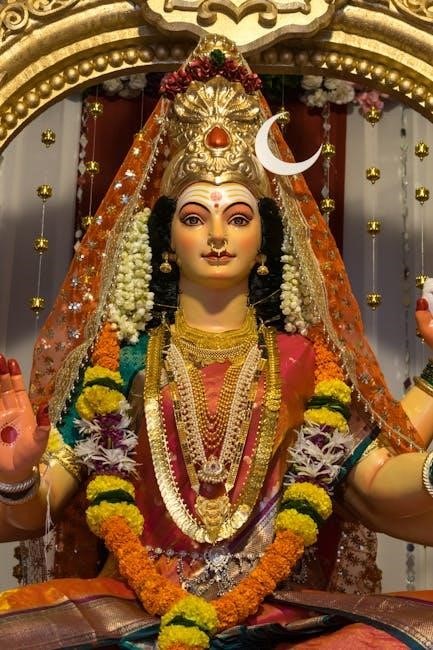
Varalakshmi Vratham Pooja Vidhanam PDFs in Telugu meticulously describe the proper placement of the Varalakshmi Devi idol within the decorated mandapam. Typically, the idol is positioned facing north or east, considered auspicious directions for inviting positive energy and blessings.
These guides emphasize placing the idol on a raised platform (pedestal) covered with a new cloth, often silk or cotton, symbolizing respect and purity. The idol is often accompanied by representations of Lord Venkateswara (her consort) and other deities.
PDFs also detail the arrangement of kalashas (pots) filled with water, rice, and coins around the idol, representing abundance and prosperity. The precise arrangement, as outlined in the vidhanam, is crucial for a successful and spiritually potent pooja.
Varalakshmi Vratham Pooja Vidhanam ー Step-by-Step
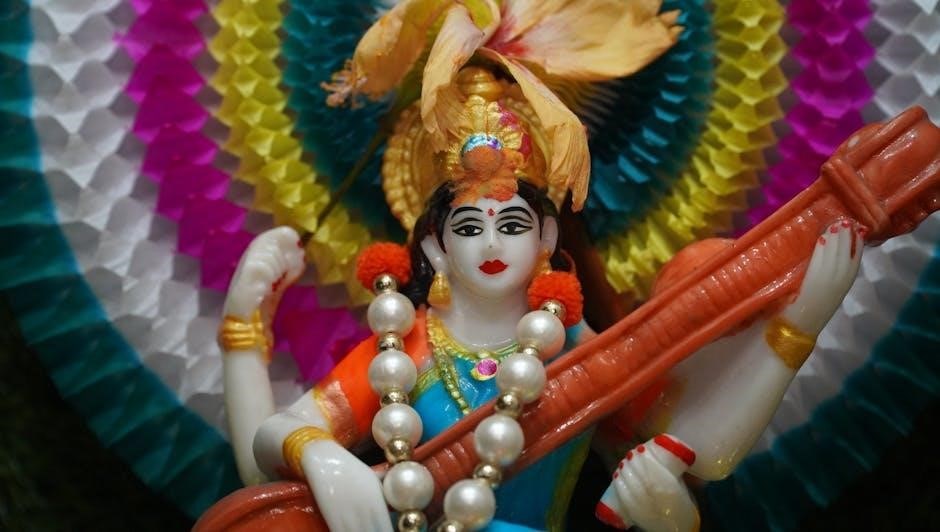
Varalakshmi Vratham Pooja Vidhanam PDFs in Telugu provide a detailed, step-by-step guide to performing the rituals correctly. The process begins with Ganapati Pooja, invoking Lord Ganesha to remove obstacles, followed by Kalasha Sthapana, establishing a sacred pot symbolizing the universe.
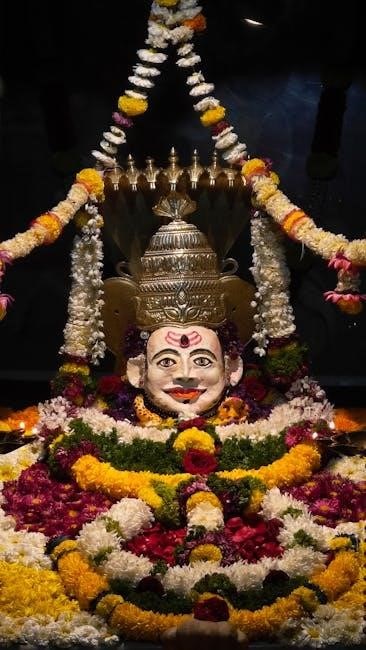
These PDFs then outline the Varalakshmi Devi Invocation, including specific mantras to welcome the goddess and seek her blessings. Subsequent steps involve offering neivedyam (sacred food), performing harati (waving of lamps), and reciting the Varalakshmi Ashtakam and other devotional hymns.
The vidhanam meticulously details each action, from the arrangement of items to the pronunciation of mantras, ensuring devotees can conduct the pooja with accuracy and devotion, maximizing its spiritual benefits as described in the downloadable resources.
Ganapati Pooja
Ganapati Pooja, as detailed in Varalakshmi Vratham Vidhanam PDFs, is the foundational step in the ritual. It commences by invoking Lord Ganesha, the remover of obstacles, ensuring a smooth and successful pooja. The PDF guides specify the mantras to be chanted, typically including the Ganapati Prarthana and Ashtottara Shatanamavali (108 names).
Offerings like durva (grass), flowers, and modak (sweet dumplings) are presented to Lord Ganesha. The pooja involves circumambulation and prostration, expressing reverence and seeking his divine grace. PDFs emphasize the importance of a focused mind and sincere devotion during this initial stage.
Properly performing Ganapati Pooja is believed to pave the way for the blessings of Goddess Varalakshmi, creating a spiritually conducive atmosphere for the subsequent rituals, as meticulously outlined in the Telugu PDF guides.
Kalasha Sthapana
Kalasha Sthapana, a crucial element in Varalakshmi Vratham, is thoroughly explained in the Telugu PDF guides. This involves establishing a sacred pot (kalasha) filled with water, symbolizing the universe and divine energy. The PDFs detail the precise placement of the kalasha on a raised platform, often covered with a new cloth.
Mango leaves, a coconut, and flowers are arranged around the kalasha, representing prosperity and auspiciousness. Specific mantras, including the Kalasha Suktam, are chanted during the installation, invoking the presence of deities within the pot. The PDF resources emphasize the purity and sanctity required during this process.
The kalasha serves as the focal point of the pooja, representing the divine womb from which creation emanates, as detailed in the Varalakshmi Vratham Vidhanam PDFs, ensuring a spiritually potent ritual.
Varalakshmi Devi Invocation (Mantra)
The Telugu PDF guides dedicated to Varalakshmi Vratham meticulously provide the essential mantras for invoking Goddess Varalakshmi. These mantras, often in Sanskrit and Telugu transliteration, are crucial for establishing a connection with the deity and seeking her blessings. The PDFs emphasize the importance of correct pronunciation and devotion during recitation.
The primary mantra typically begins with invoking the Goddess’s name, followed by descriptions of her divine qualities and powers. Several variations of the Varalakshmi Stotram and Ashta Lakshmi Stotram are included, offering devotees a range of devotional expressions.
These PDFs often explain the significance of each syllable and the benefits of chanting, ensuring a meaningful and spiritually enriching experience. Proper intonation, as guided in the Varalakshmi Vratham Pooja Vidhanam PDFs, is key to a successful invocation.
Varalakshmi Vratham Katha (Story) in Telugu
The Varalakshmi Vratham Katha, a central element of the pooja, is readily available in Telugu within the numerous PDF resources dedicated to the Vratham. These PDFs present the narrative detailing the Goddess Varalakshmi’s blessings upon a devoted Brahmin woman, highlighting the power of faith and devotion.
The story emphasizes the importance of observing the Vratham for prosperity, well-being, and the fulfillment of wishes. PDF guides often include the complete katha in Telugu script, alongside transliterations for easier understanding. Some versions also offer explanations of the story’s symbolism.
Devotees are encouraged to read or listen to the katha with reverence, as it is believed to invoke the Goddess’s grace. The Varalakshmi Vratham Pooja Vidhanam PDFs ensure the story is accurately conveyed, preserving its traditional essence.
Ashta Lakshmi Stotram Recitation
The Ashta Lakshmi Stotram, a hymn praising the eight forms of Lakshmi, is a vital component of the Varalakshmi Vratham and is widely available in Telugu within dedicated PDF guides. These resources provide the stotram’s verses in both Telugu script and transliteration, facilitating accurate recitation for devotees.
The stotram invokes the blessings of Sri Lakshmi, Dhanya Lakshmi, Dhairya Lakshmi, Gaja Lakshmi, Santana Lakshmi, Sri Lakshmi, Vijaya Lakshmi, and Samriddhi Lakshmi, each representing a different aspect of prosperity and fortune. PDFs often include the meaning of each verse, enhancing understanding.
Reciting the Ashta Lakshmi Stotram during the pooja is believed to bestow immense blessings and remove obstacles. The Varalakshmi Vratham Pooja Vidhanam PDFs ensure devotees have access to this powerful hymn for a complete and auspicious observance.
Mantra Pushpam Recitation
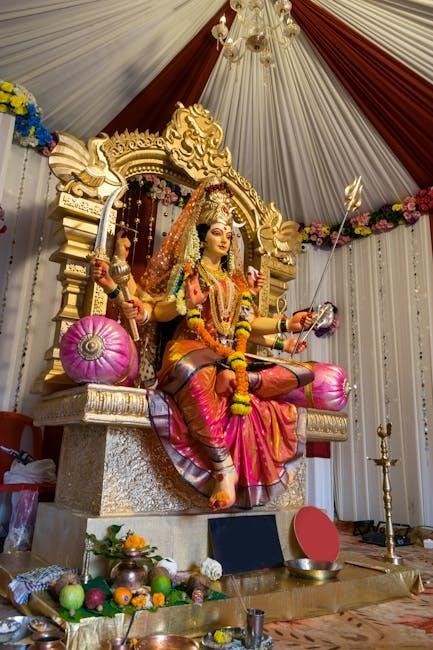
The Mantra Pushpam, a collection of sacred verses, holds a significant place in the Varalakshmi Vratham rituals, and comprehensive PDFs detailing the pooja vidhanam in Telugu invariably include it. These downloadable guides present the Mantra Pushpam verses in Telugu script, alongside transliterations to aid correct pronunciation for all devotees.
The recitation of Mantra Pushpam is believed to purify the surroundings and invoke divine energy. PDFs often provide explanations of the verses’ meanings, deepening the spiritual experience. It’s typically recited after the Ashta Lakshmi Stotram.
Accessing the Mantra Pushpam through these Telugu PDF resources ensures devotees can participate fully in the Varalakshmi Vratham, fostering a connection with the divine and receiving the blessings of Goddess Lakshmi.
Neivedyam (Offerings) Preparation
Detailed Varalakshmi Vratham Pooja Vidhanam PDFs in Telugu dedicate significant sections to Neivedyam (offerings) preparation, recognizing its vital role in the worship. These guides outline traditional recipes and the symbolic importance of each dish presented to the Goddess Lakshmi.
PDF resources emphasize the purity and devotion with which Neivedyam should be prepared, often listing specific ingredients and methods for creating auspicious sweets and savory items.
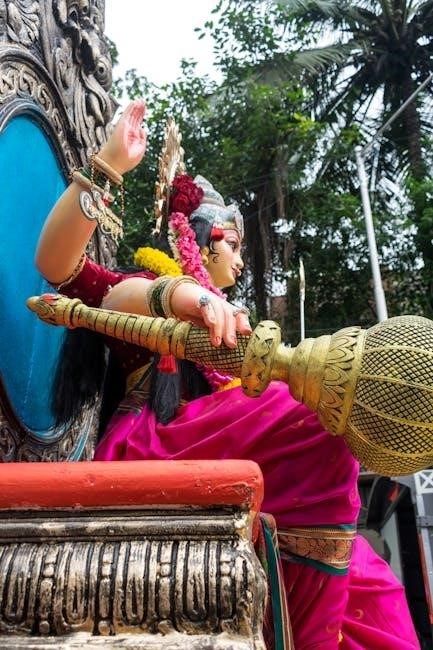
The selection of offerings isn’t arbitrary; each item carries a specific meaning, representing prosperity, abundance, and gratitude. These Telugu PDFs provide insights into the significance of each offering, enhancing the devotee’s understanding and deepening their connection with the Goddess during the Vratham.
Types of Neivedyam Offered
Varalakshmi Vratham Pooja Vidhanam PDFs in Telugu meticulously detail the diverse types of Neivedyam traditionally offered to Goddess Varalakshmi. These resources consistently highlight the importance of offering a variety of sweet and savory dishes, symbolizing a complete offering of gratitude and devotion.
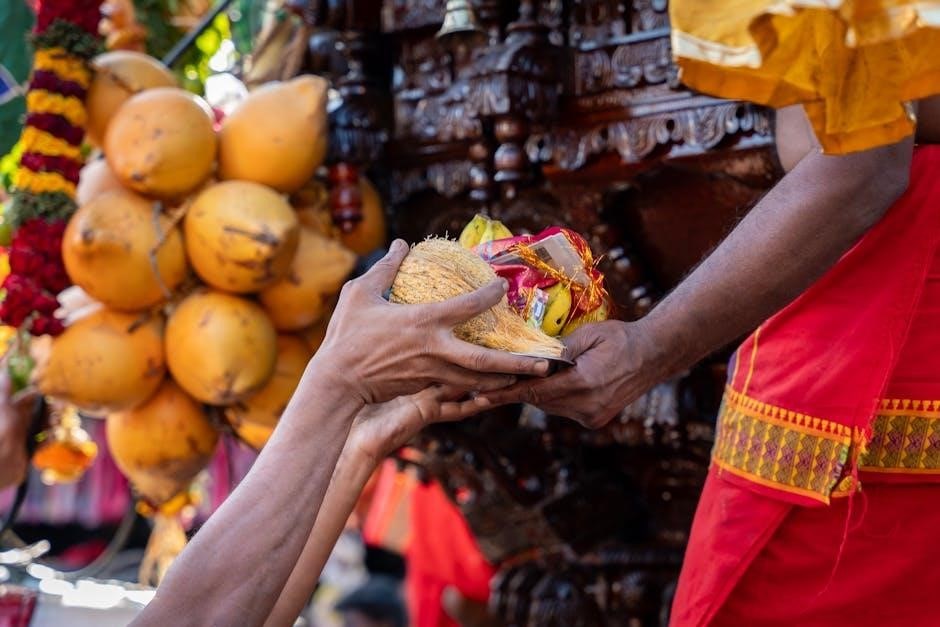
Commonly listed Neivedyam items include Bellam Gavvalu (jaggery sweets), Boondi, Vada, Payasam (rice pudding), and various fruit offerings. PDFs often provide specific recipes for these items, ensuring devotees can prepare them authentically.
Furthermore, the inclusion of Pongal, a traditional rice dish, and Pulihara (tamarind rice) is frequently emphasized. These Telugu PDFs also suggest offering fresh flowers, betel leaves, and coins alongside the food, completing the auspicious offering to the Goddess Lakshmi.
Significance of Each Offering
Varalakshmi Vratham Pooja Vidhanam PDFs in Telugu explain the profound symbolism behind each Neivedyam offered to Goddess Varalakshmi. These documents emphasize that offerings aren’t merely food, but representations of devotion and requests for specific blessings.
Sweets like Bellam Gavvalu and Payasam symbolize sweetness and prosperity in life, while savory items like Vada represent overcoming obstacles. Fruits signify fertility and abundance, reflecting a wish for growth and well-being.
The PDFs detail that offering Pongal represents gratitude for a bountiful harvest, and Pulihara symbolizes overcoming challenges with resilience. Coins offered signify wealth and financial stability. Ultimately, each offering is a heartfelt expression of faith, seeking the Goddess’s blessings for a harmonious and prosperous life.
Varalakshmi Vratham Udvasana (Concluding Rituals)
Varalakshmi Vratham Pooja Vidhanam PDFs in Telugu meticulously outline the Udvasana, the crucial concluding rituals. These guides detail how to respectfully bid farewell to Goddess Varalakshmi after a day of devoted worship.
The Udvasana typically involves offering Neivedyam one last time, followed by the Harati (waving of lamps). PDFs emphasize the importance of chanting specific mantras during this process, expressing gratitude and seeking continued blessings.
The idol is then carefully prepared for immersion, often in a nearby water body. Detailed instructions are provided on how to respectfully carry the idol and perform the immersion ceremony. These PDFs stress that the Udvasana is vital for ensuring the Goddess’s blessings remain with the devotee and their family, completing the Vratham with grace and fulfillment.
Varalakshmi Vratham PDF Resources
Numerous downloadable PDF resources comprehensively cover the Varalakshmi Vratham Pooja Vidhanam in Telugu, catering to devotees seeking detailed guidance. These PDFs are readily available from various online sources, offering a convenient way to learn and perform the rituals correctly.
Websites like Teluguone and others specializing in devotional content host these documents. You can find PDFs detailing the pooja vidhanam, the katha (story), mantras, and lists of required pooja samagri (materials).
Specific PDFs focus on aspects like the Ashta Lakshmi Stotram and Mantra Pushpam in Telugu. These resources often include page numbers and clear instructions, making it easier to follow the procedures and ensure a meaningful Varalakshmi Vratham observance. Several options range from 12 to 22 pages in length.
Frequently Asked Questions (FAQs)
Q: Where can I find a complete Varalakshmi Vratham Pooja Vidhanam in Telugu PDF? A: Numerous websites offer downloadable PDFs, including Teluguone and devotional platforms, providing comprehensive guides to the rituals.
Q: What does a typical Varalakshmi Vratham PDF include? A: These PDFs generally cover pooja samagri lists, step-by-step pooja vidhanam instructions, the Varalakshmi Katha, relevant mantras, and details for the udvasana (concluding rituals).
Q: Are there separate PDFs for specific parts of the pooja, like the Ashta Lakshmi Stotram? A: Yes, dedicated PDFs are available for components like the Ashta Lakshmi Stotram and Mantra Pushpam in Telugu, offering focused guidance. These resources aid in a thorough and accurate observance of the Vratham.